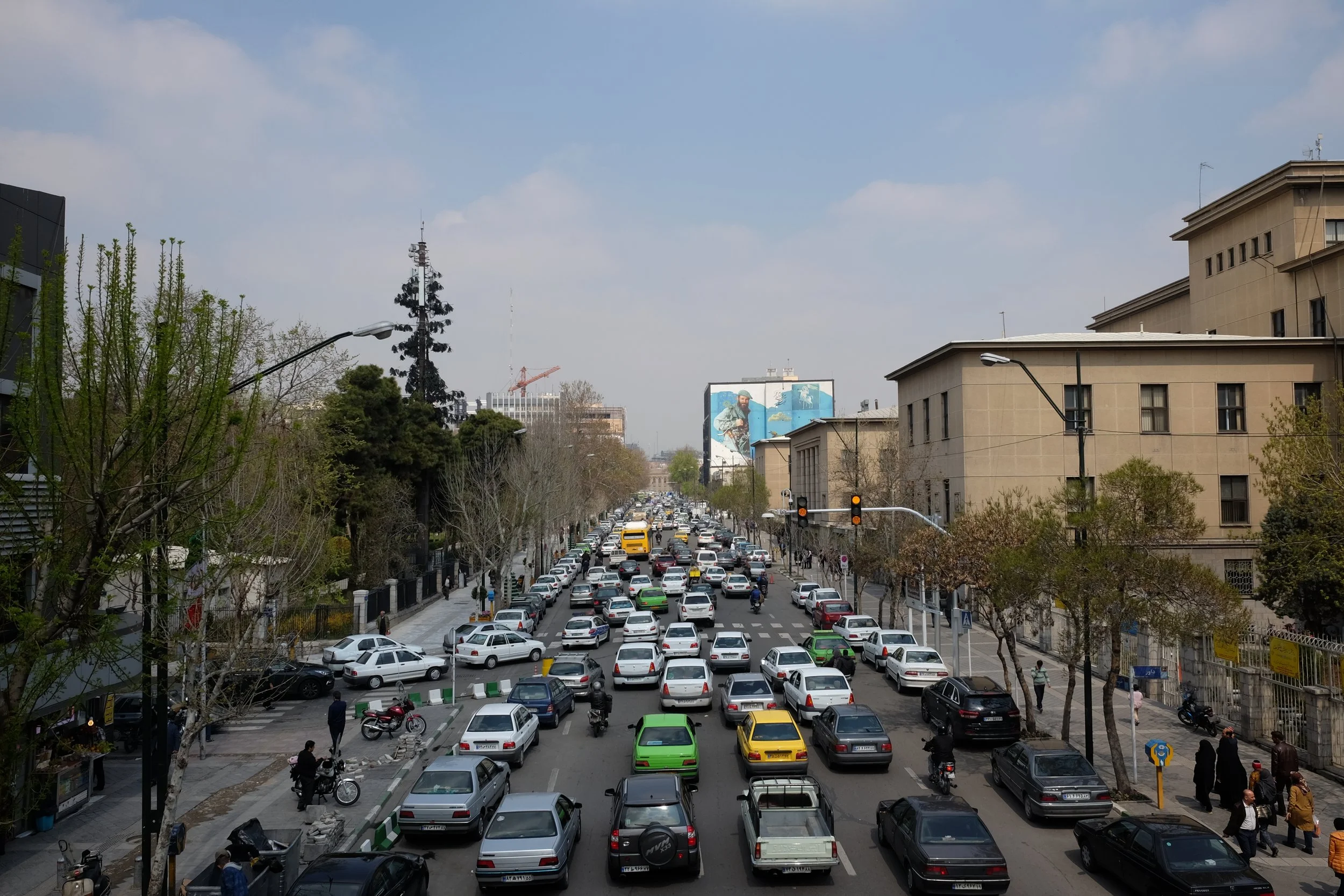
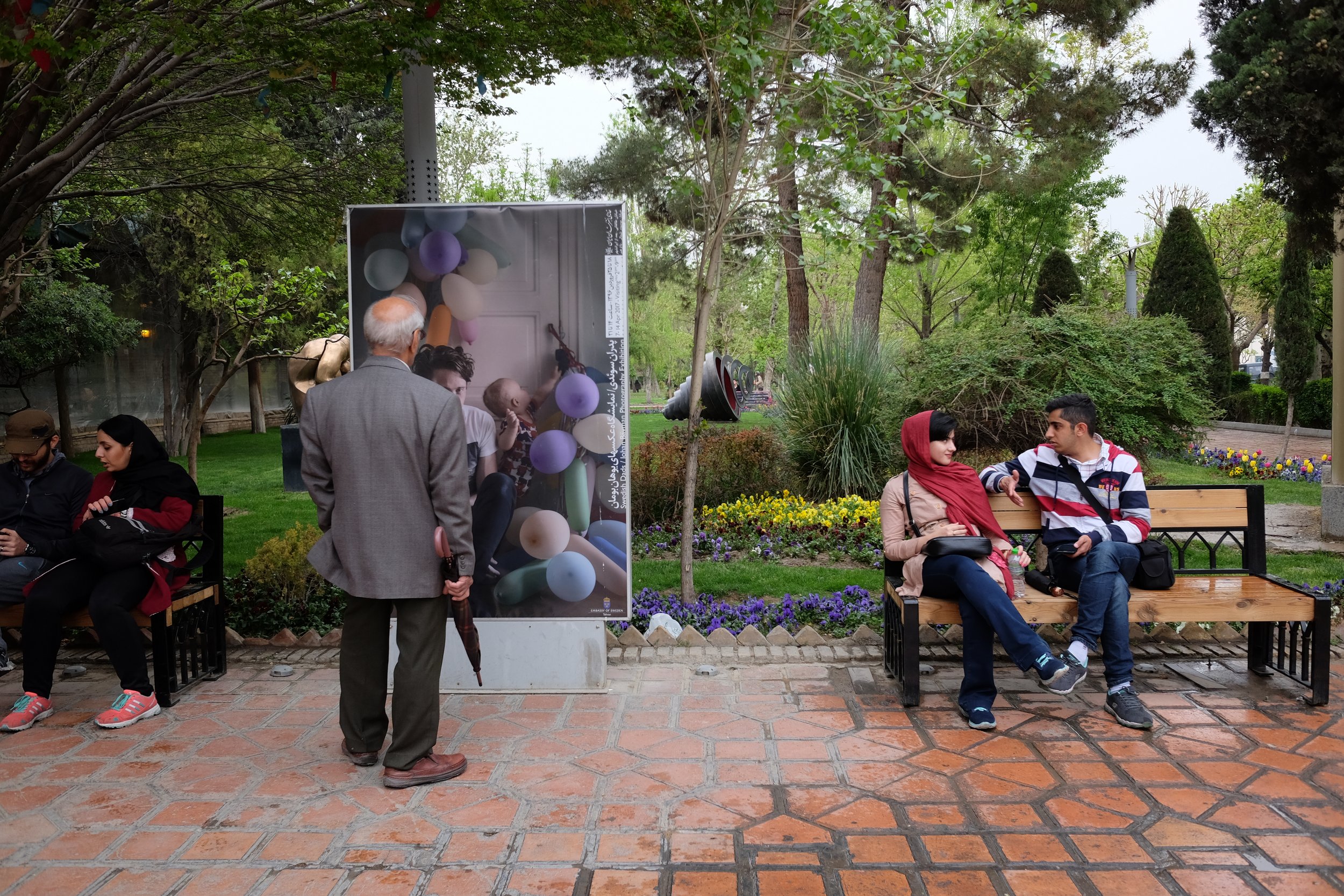
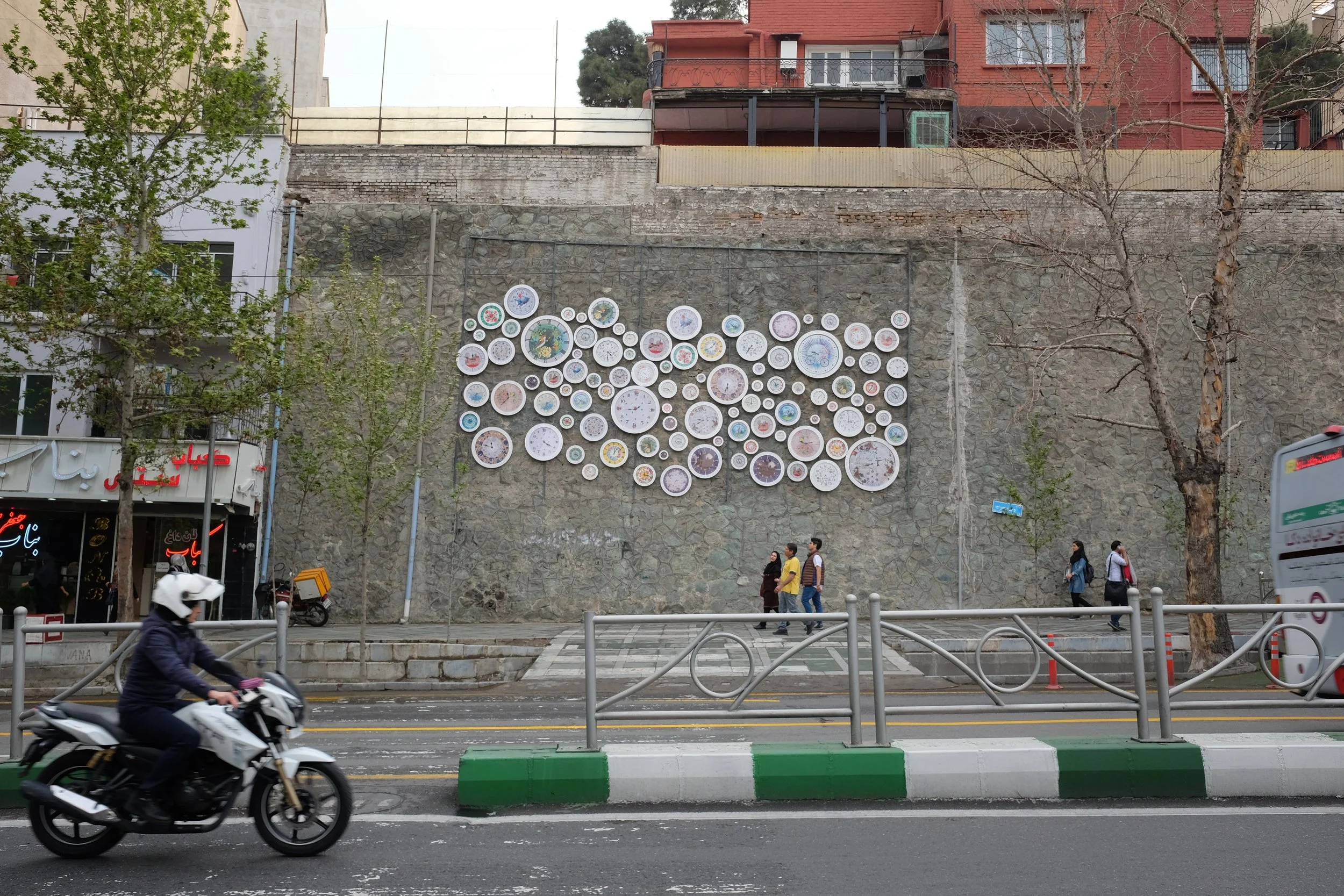
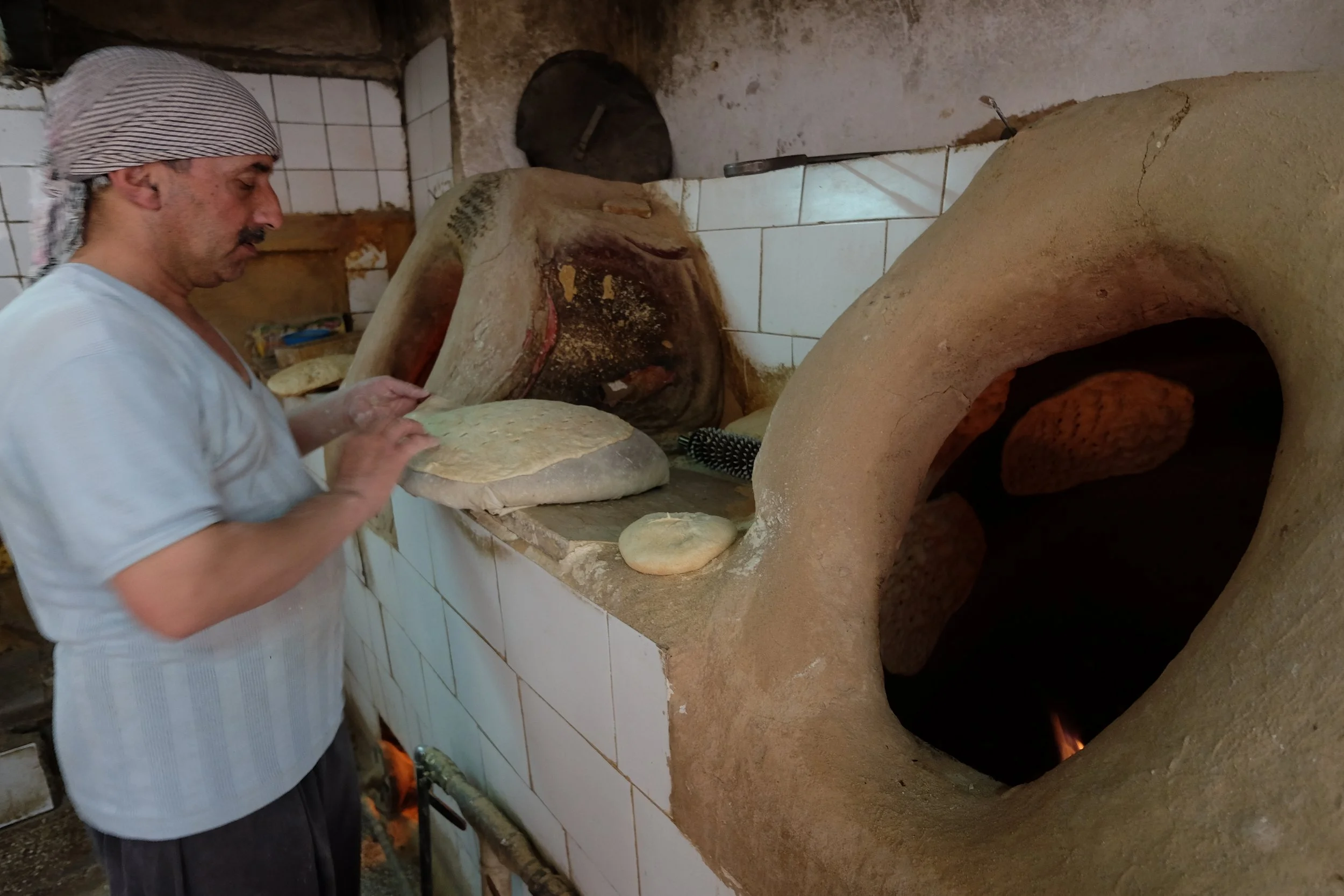
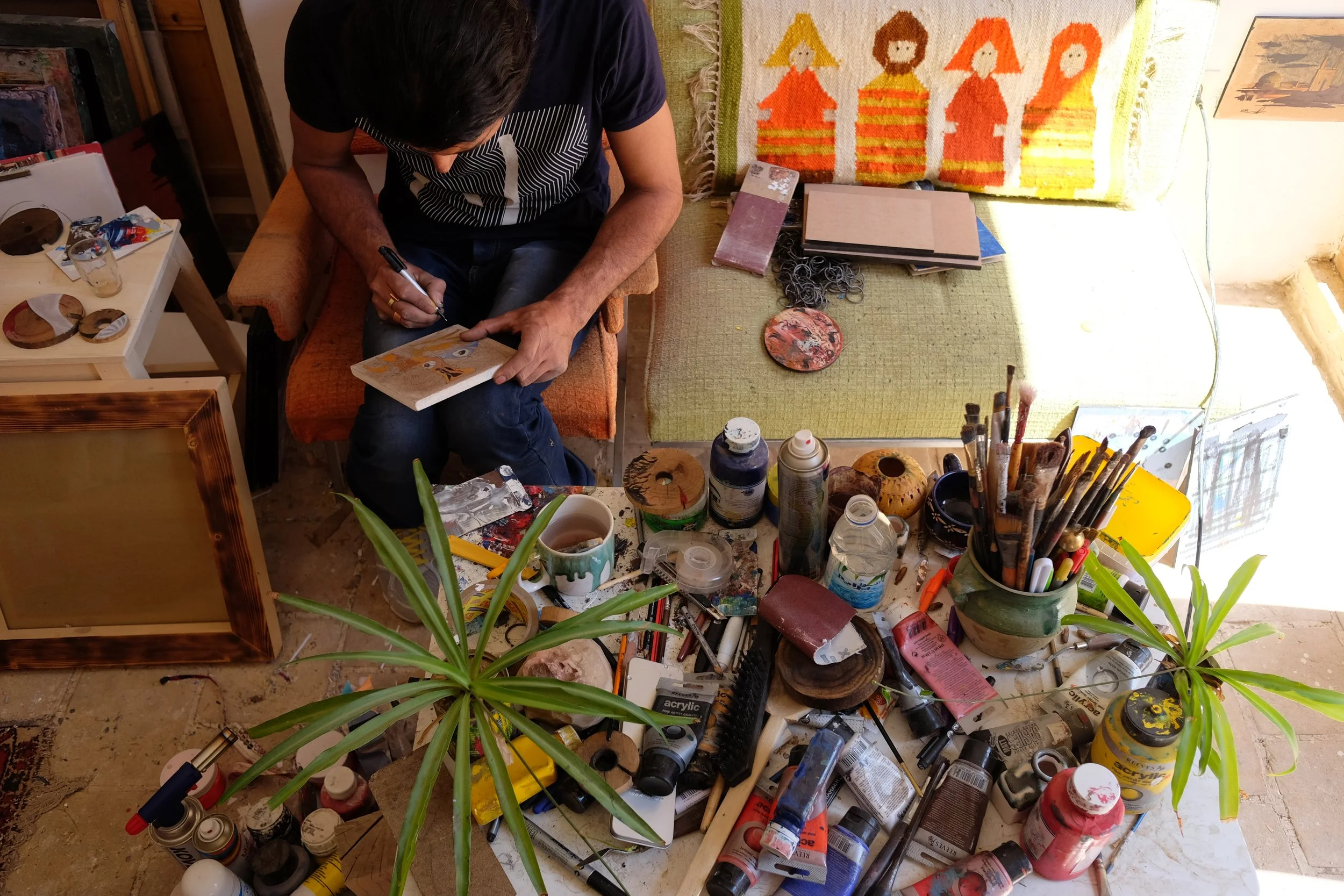
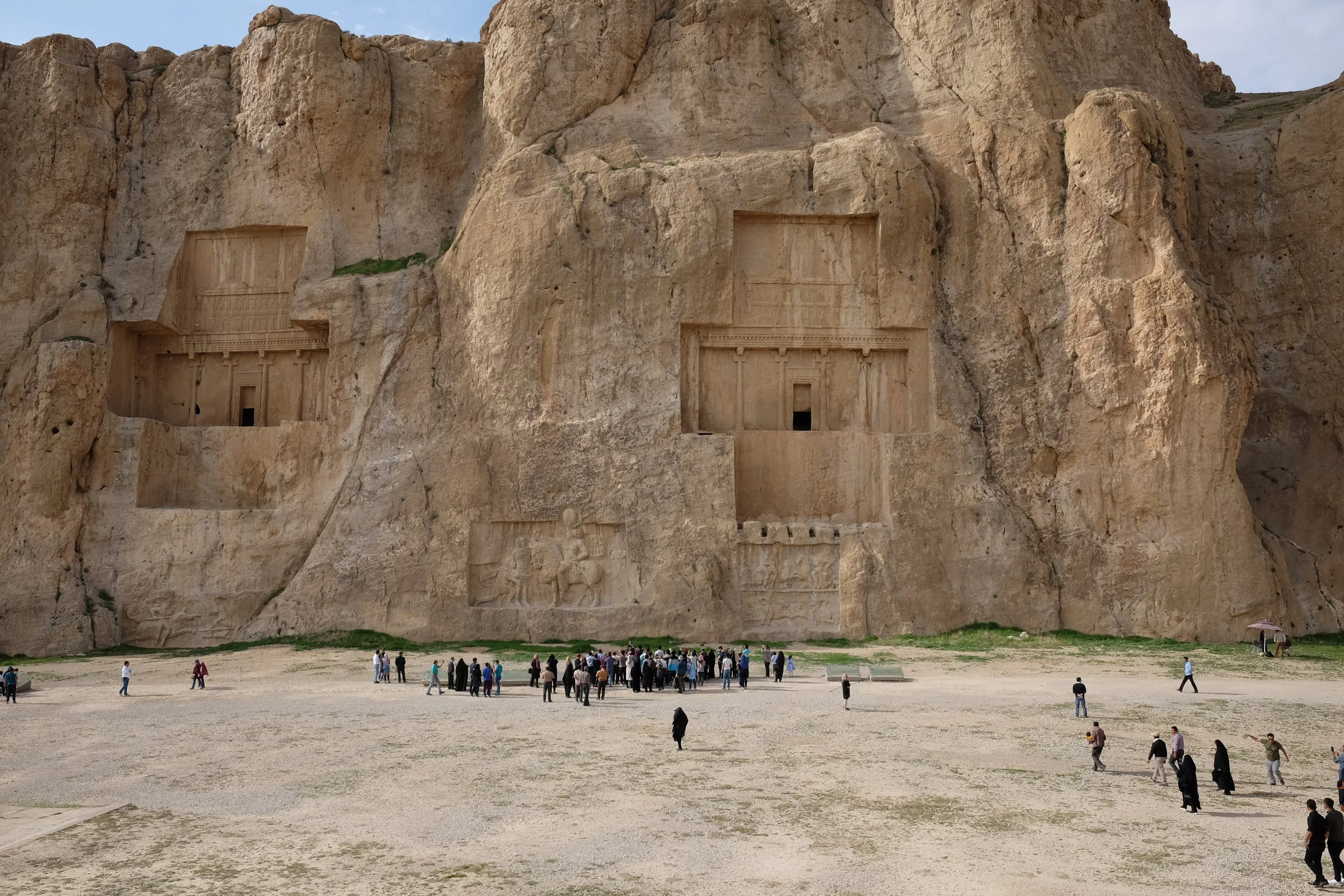
● Everyday IranI started a personal project I call “Everyday…” as a way to challenge myself to slow down, listen, watch and tune into where I am, who I’m with and the sensory experience. The result is a collection of images and clips that I edited into a video compilation that when I watch now I thank my past self for creating this special piece of time travel.
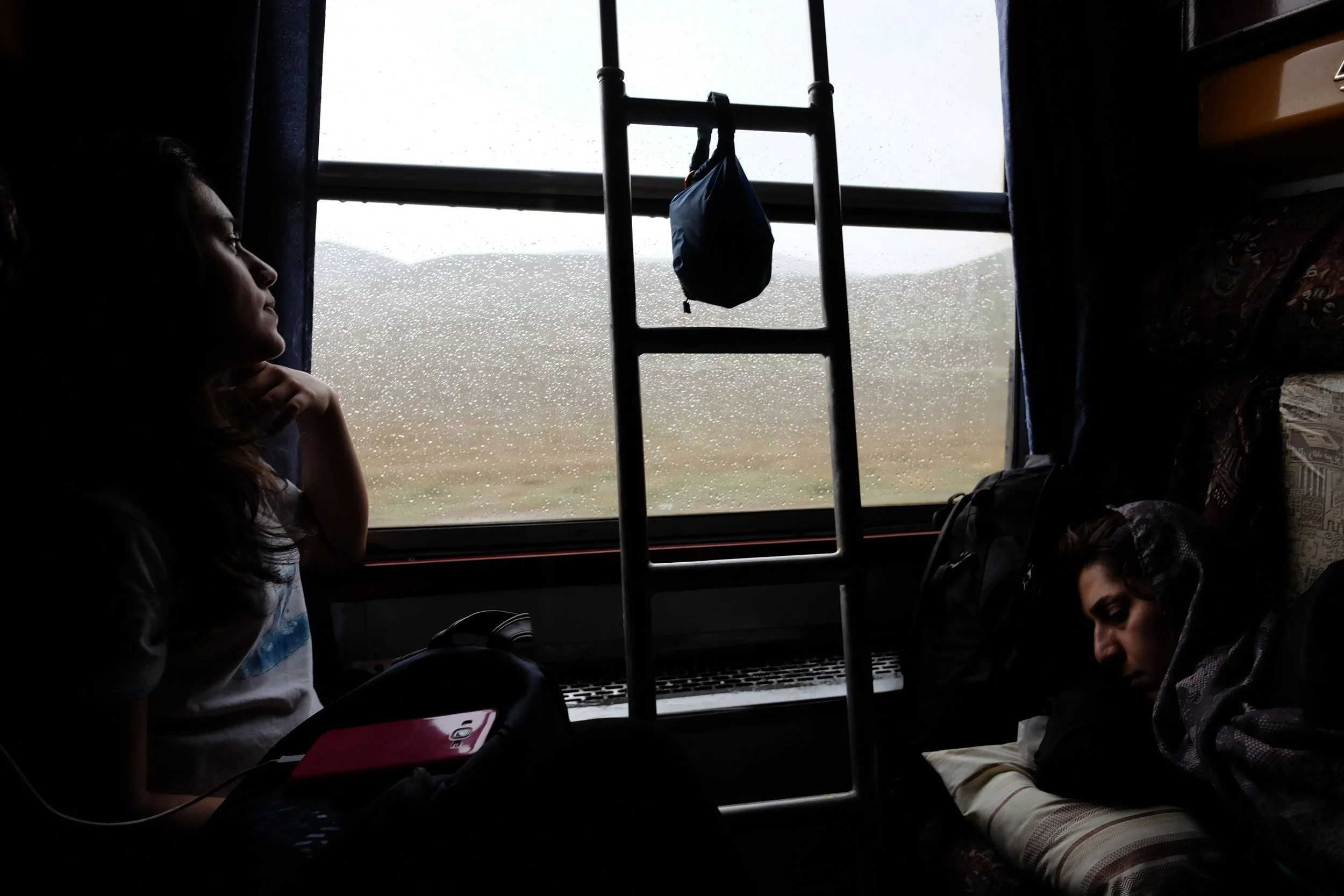
In spring 2017, I spent a month travelling alone throughout Iran. I was drawn to its ancient history, contemporary art, and the chance to challenge my perceptions and cultural biases.
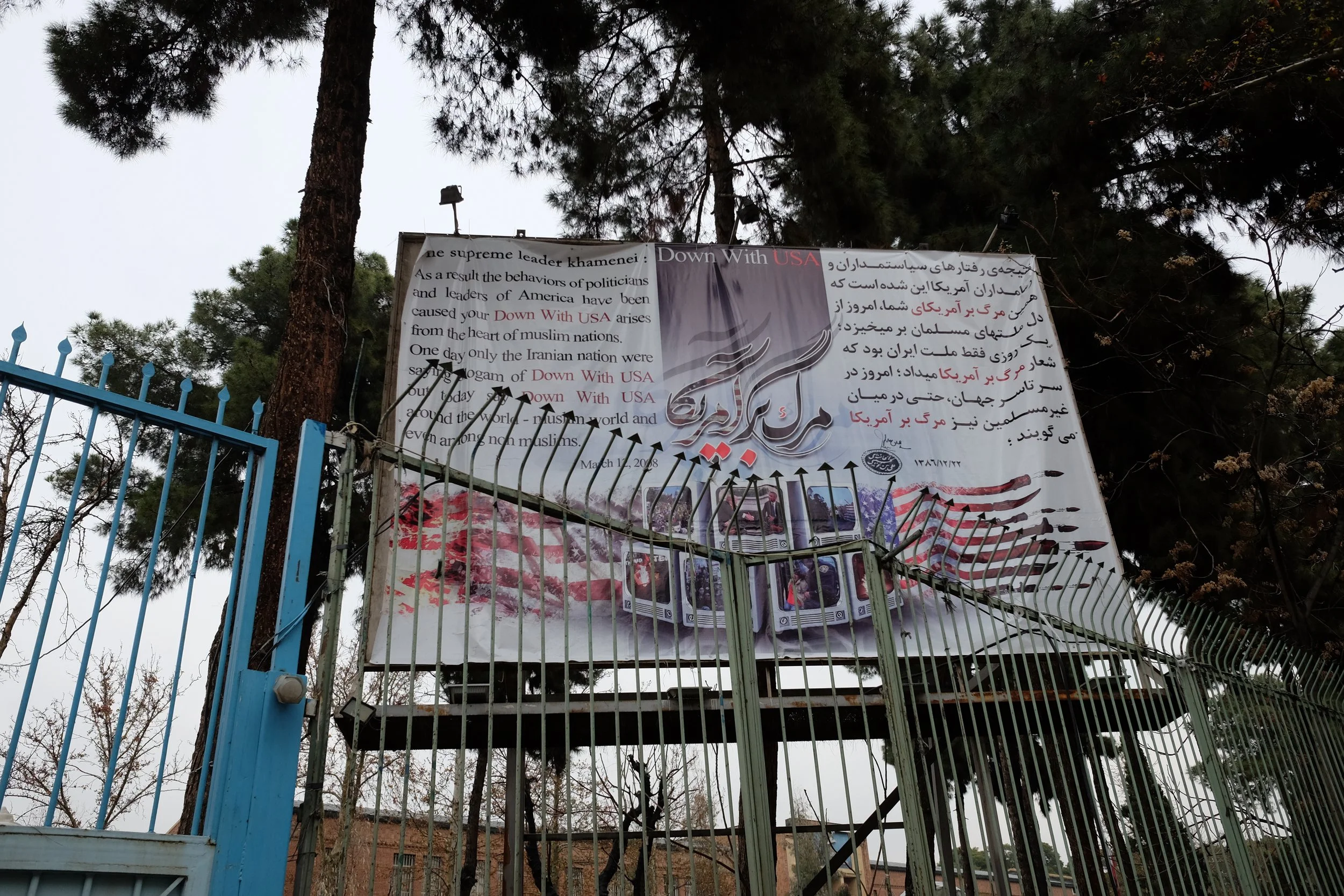
Since the 1979 revolution, Iran has undergone significant political, social, and cultural transformations. Present-day Iranians live under a theocracy, and generations of young people face economic hardships due to international sanctions imposed by the United States. What we hear about most in the West is the impact of a state-imposed religious dress code for women (Mahsa Amini, d. 2022) and Iran’s role in Middle Eastern geopolitics, supporting Shia allies and militias across the region, such as Iraq, Syria and Lebanon. While these stories are an important part of Iran’s narrative, they are not the whole story.
To experience everyday life in Iran, I had to step away from the politics of the day and turn my attention towards the rythym of people’s lives and connect with Persian history. What unfolded was authentic, spontaneous, and deeply generous.
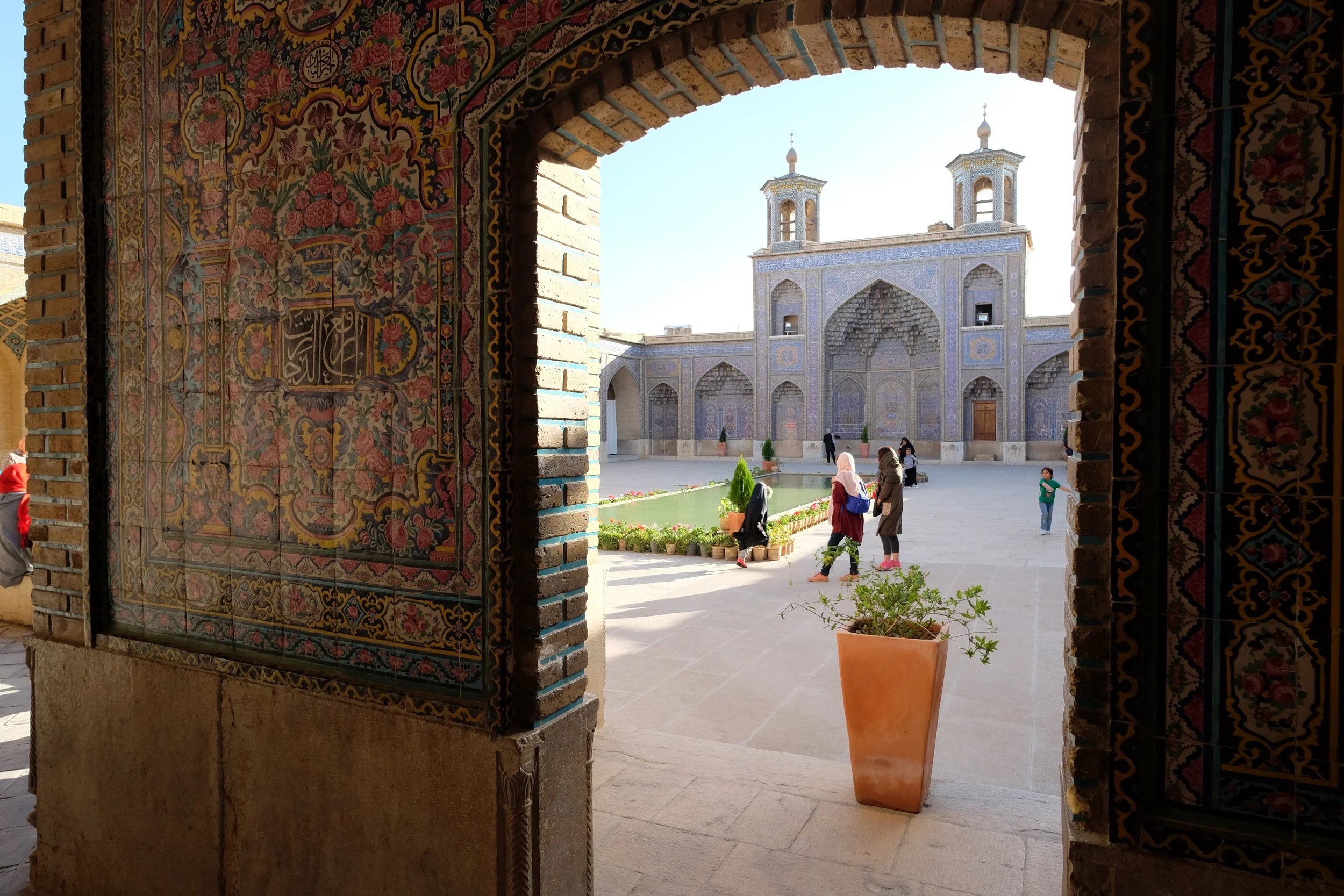
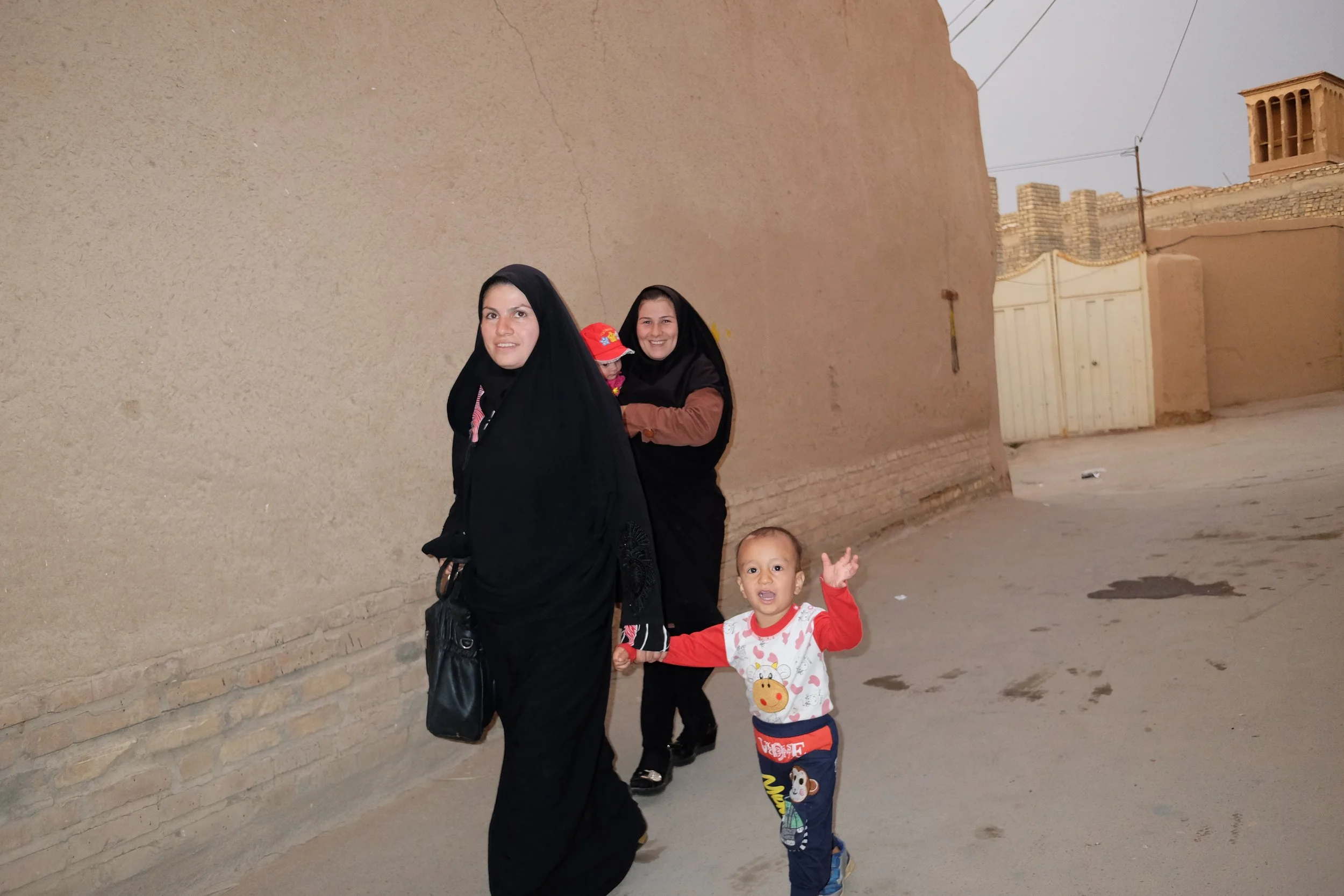
Whether in a mosque, a market, or wandering the street — no matter where I was — I was approached with curiosity, kindness, and a message: “We’re not our government.”
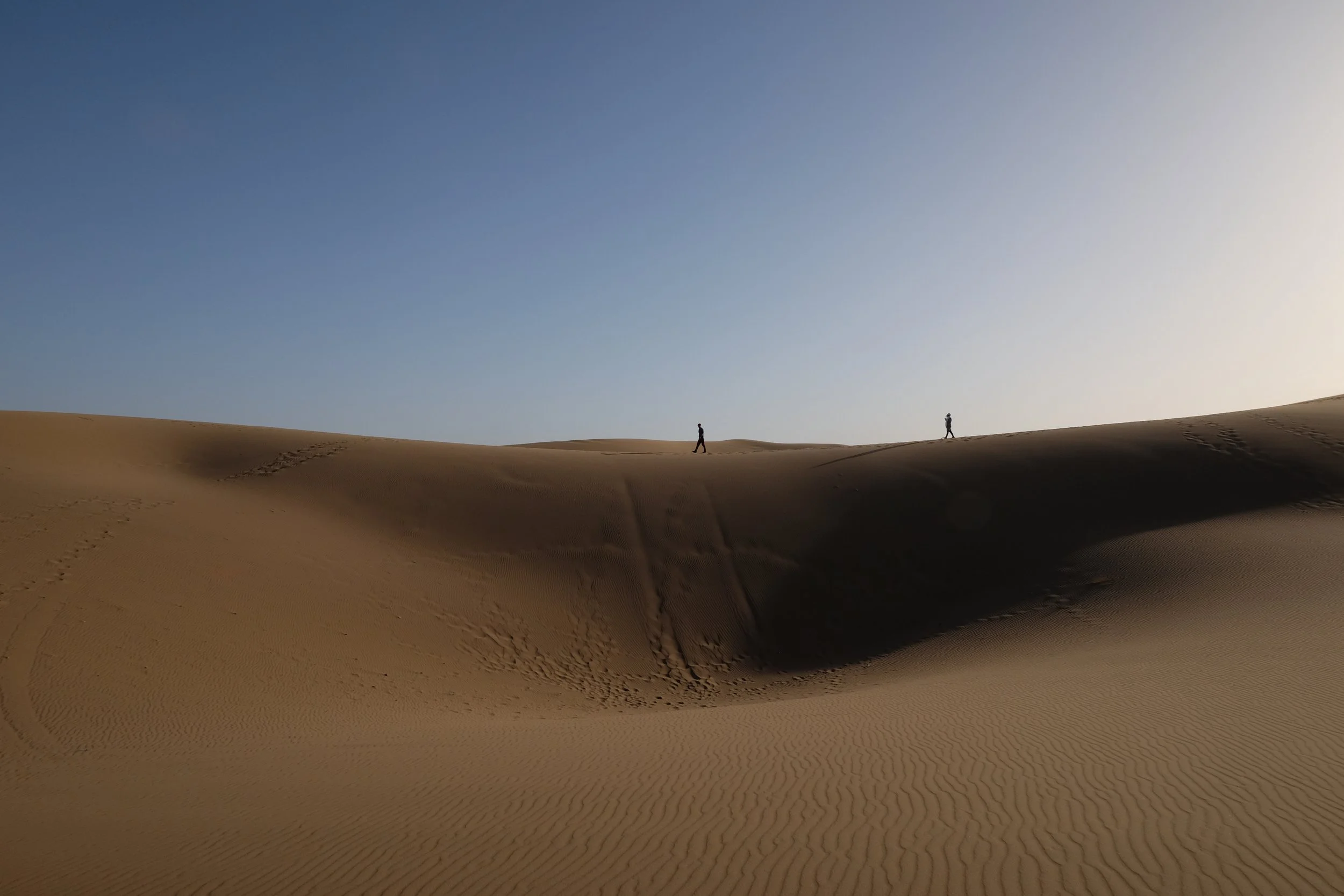
You are hearing: Drummers celebrating Nowruz in a suburb of Tabriz; Tabrizi family dancing in their home for Nowruz; Birds rising at dawn in Tehran; Men playing ping-pong, Marvdasht Park in Tehran; Traditional singing, Khaju Bridge in Isfahan; Desert winds near the border of Afghanistan; Tea house music and talking in Kerman; Winds of Bafgh Desert near Yazd; Call to prayer at a mosque in Shiraz; Children playing on the rooftop courtyards of Yazd.