● Freetown, Sierra LeoneThis portrait series explores the lives of women, children and men living in the communities of Kroo Bay and George Brook. They have survived their partners, parents and countless family members who died during the last Ebola crisis or succumbed to HIV.
The We Yone Child Foundation has provided financial support in the form of business grants to each of these individuals after conducting assessments by their social work team. They are all parents with children who initially lacked financial resources to send them to school, but are currently running successful small businesses that enable them to be independent and ensure their kids can continue their education.
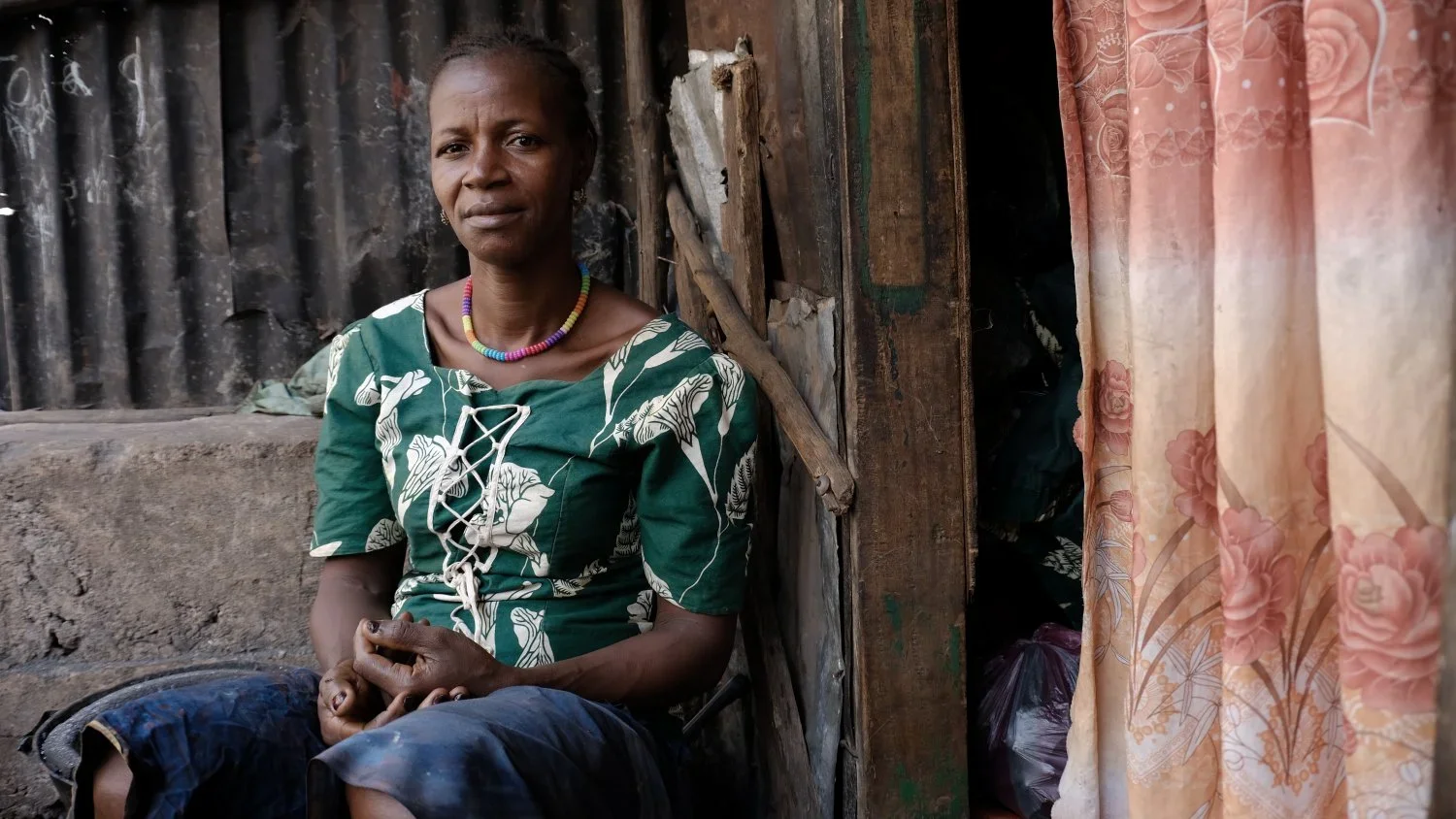
Isatu Kamara. A single mother of four children, Isatu now 50, lost her husband during the last Ebola outbreak and supports her family selling coal. She lives in the community of Kroo Bay a slum in central Freetown. She'd eventually like to move towards selling palm oil as coal has irritated her lungs and doesn't have as much earning potential.
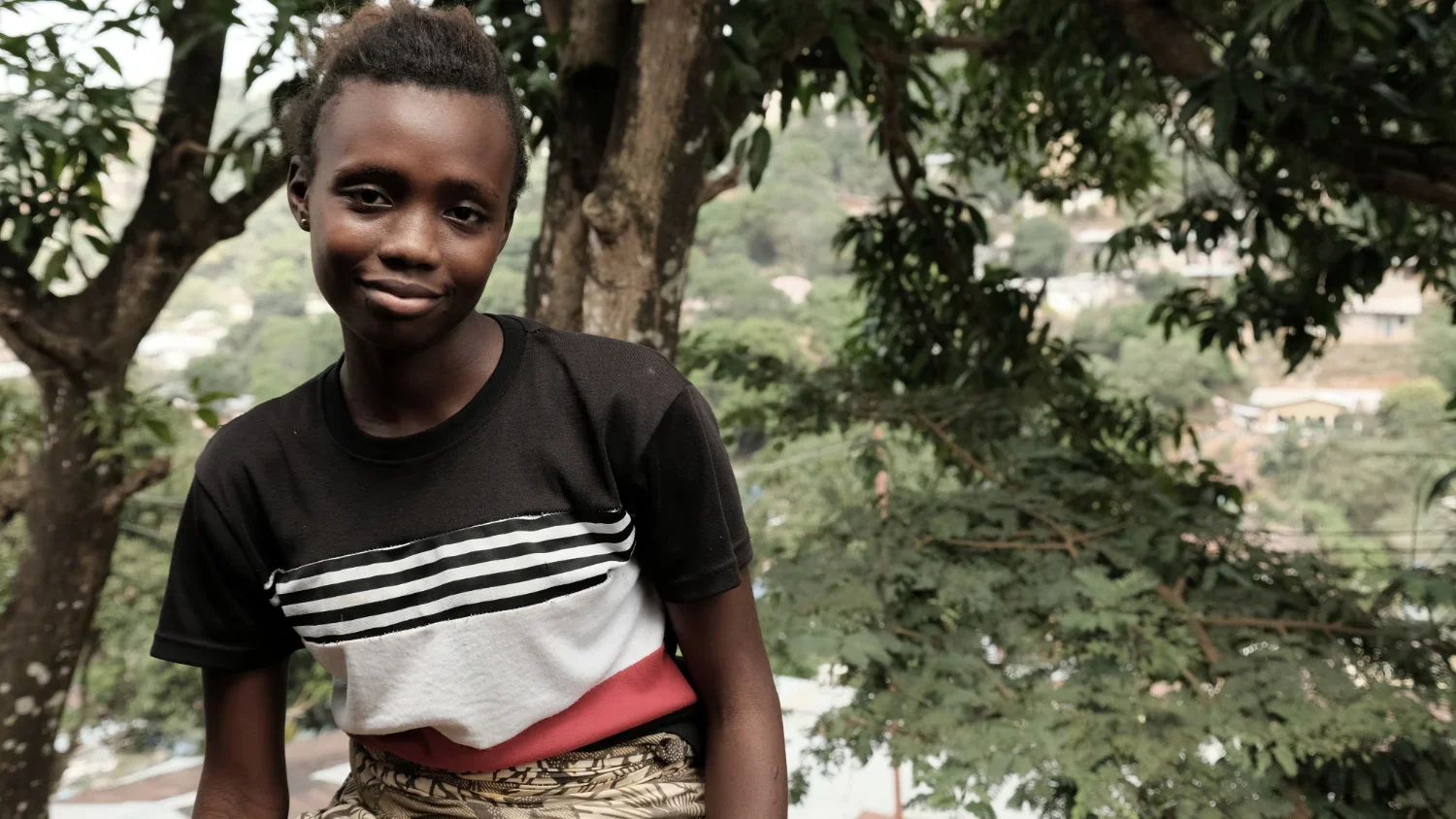
Aminata Bangura is a 17-year-old single mother. Her young son Dixon is nearly 2 and through a small business grant with We Yone Child Foundation she's been able to support him by selling rubber bowls. "The money is small right now," she says. "I want to grow my business into something big. I want to have an enterprise."
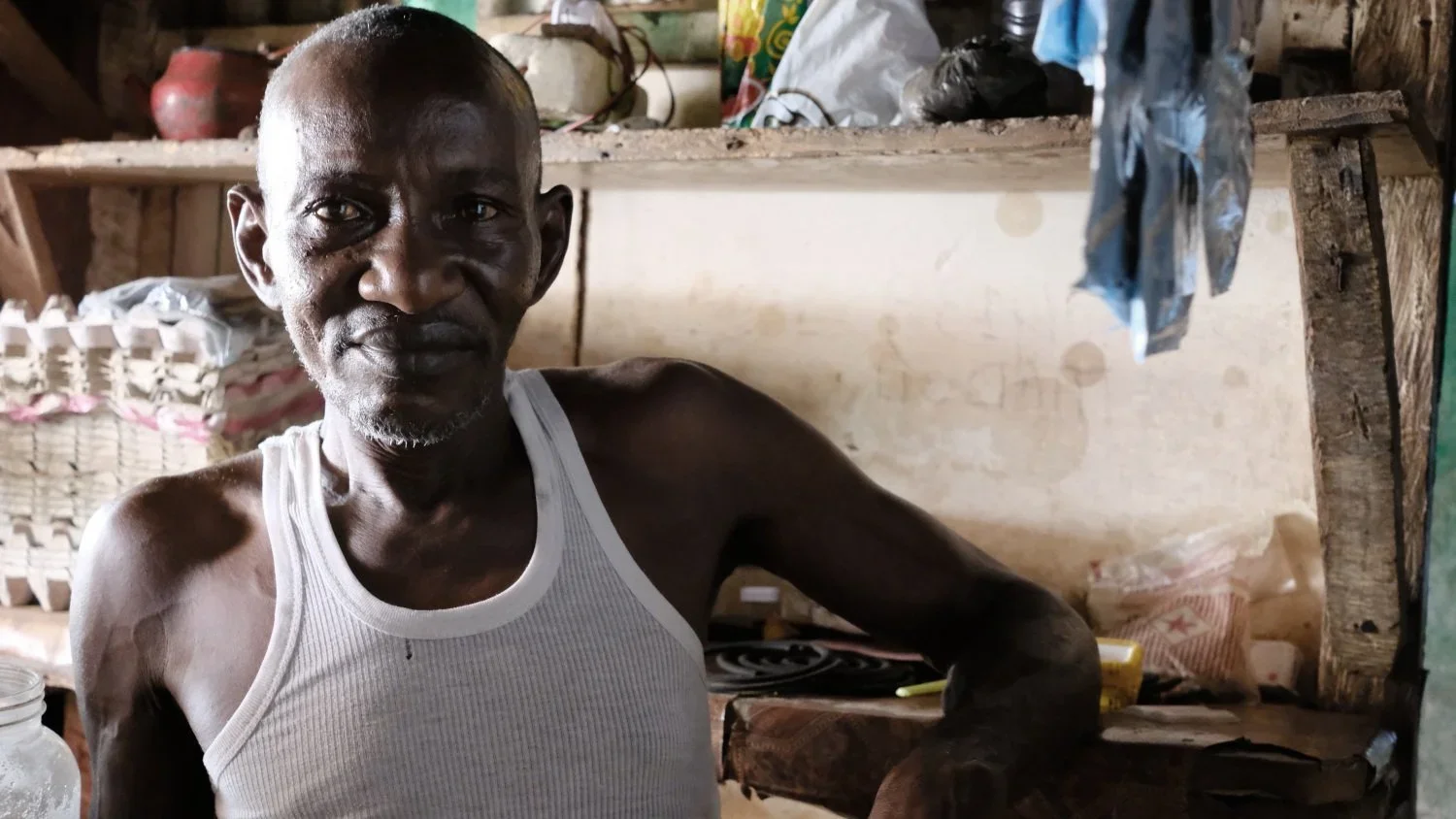
Mohamed Bah, 65, stands proudly inside his shop in the community of Kroo Bay. For 7-years he's been selling bread, coffee, milk and other goods to support his wife and five children. He's most proud that the income from his small business can fund his childrens education.
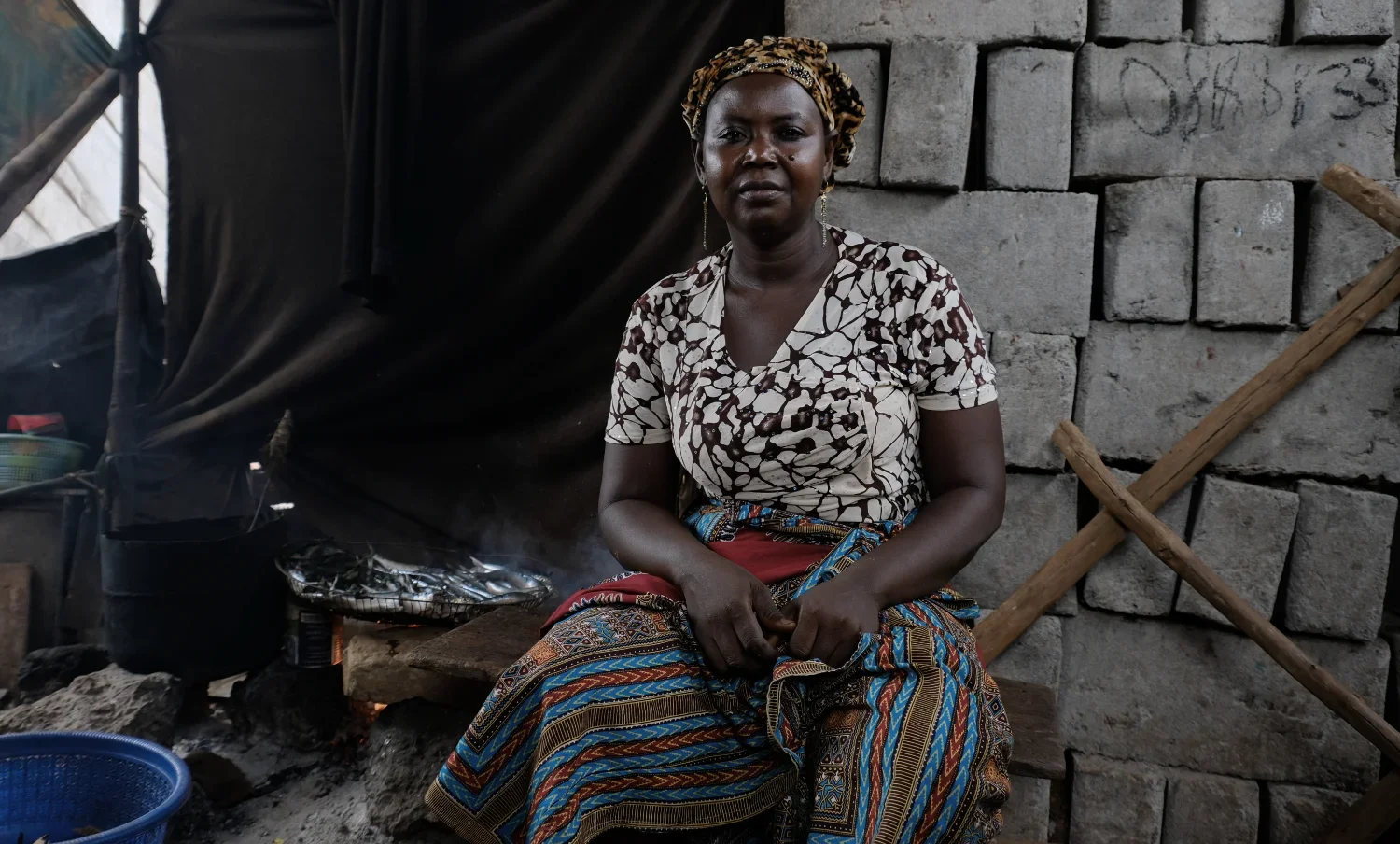
Aminata Conteh lives close to the polluted waterway that flows through the community of Kroo Bay. She earns her living selling thread for fishing which has helped to support her five children after she lost her husband during the last Ebola outbreak. She wants to expand her business so she can continue to maintain funding her childrens education.
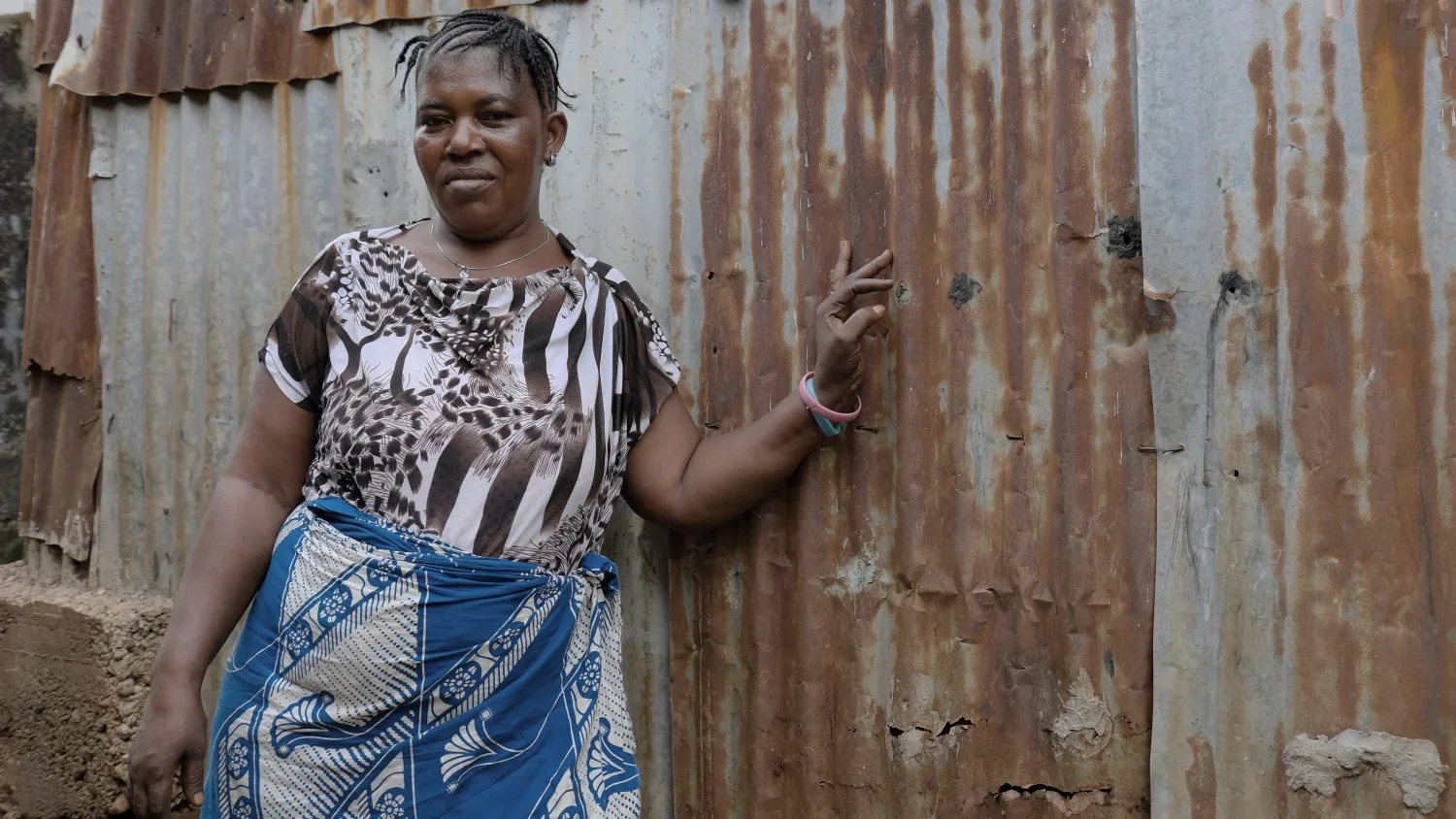
Fatamata Kanu has a fry-fry business in the community of Kroo Bay that sells small fish, potatoes, eggs and sausage. After her husband died from Ebola she became the only income earner for her five children. She's managed to cover school fees and take care of her elderly mother while running the business.
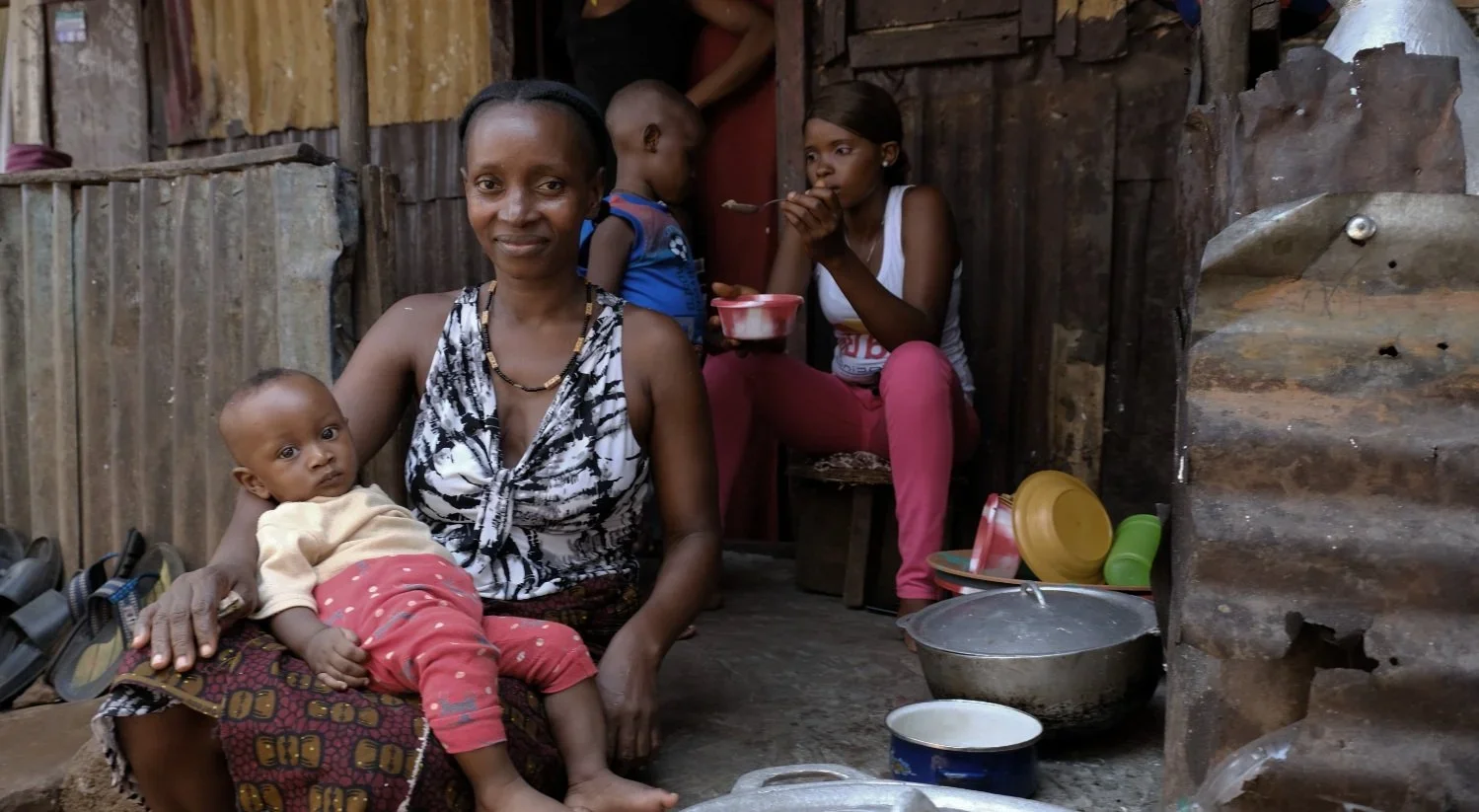
Fatemate Kamara, 41, sits with her 6-month-old son while her daughter behind feeds her 3-year-old. Fatemate has five biological children and cares for three additional kids. One whom she adopted into her home after finding her orphaned on the street after the last Ebola outbreak, and two of her brothers. With eight mouths to feed, Fatemate struggles to keep her small business selling water and soft drinks afloat.
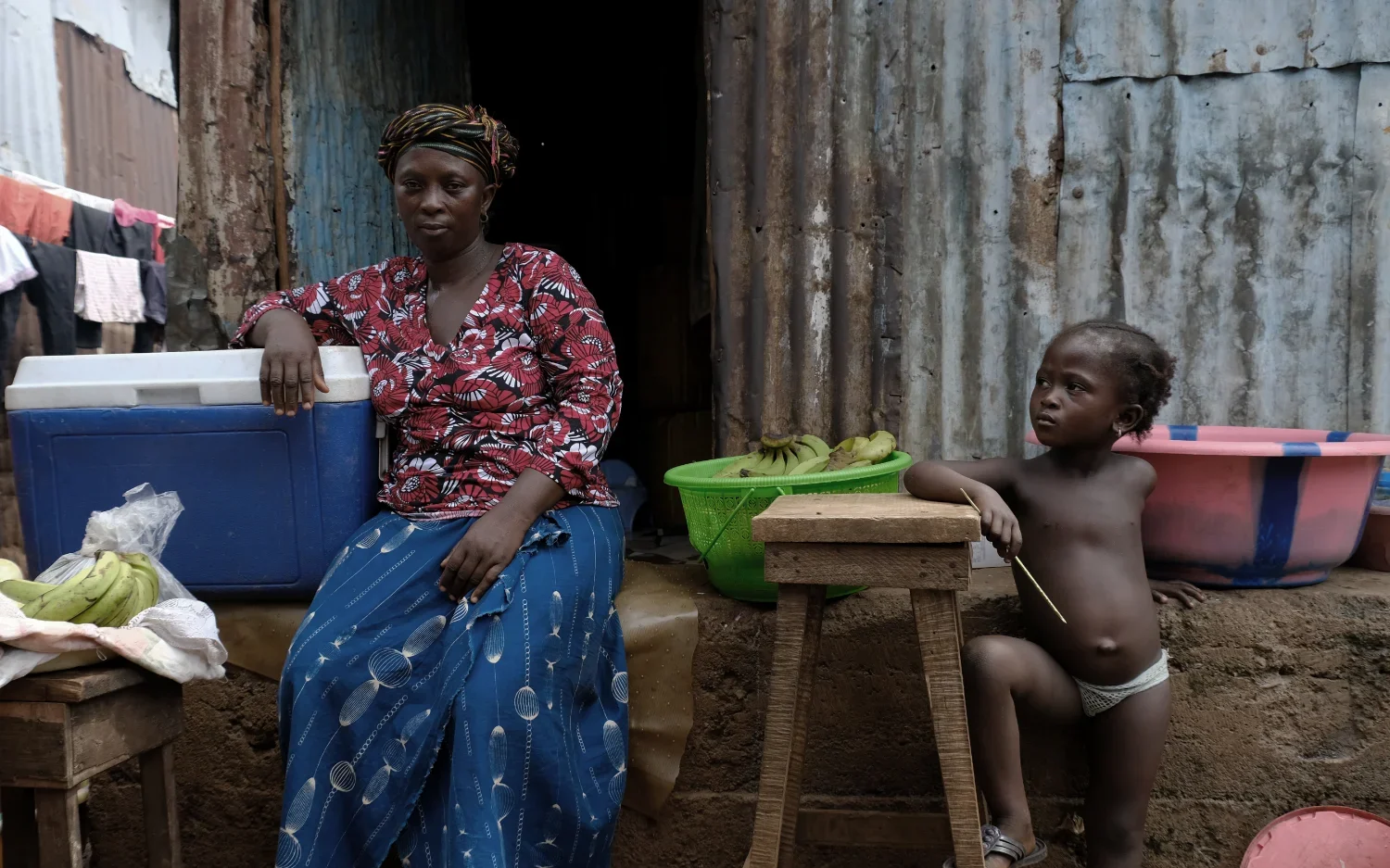
Fatamate Jalloh sits next to her streetside business in the community of Kroo Bay while a local child stands next to her people watching. A mother of seven children, Fatamate's husband died from Ebola and afterward she created her business to support the family. She sells a variety of goods that change seasonally, which she says gives her a competitive advantage and a consitent income.
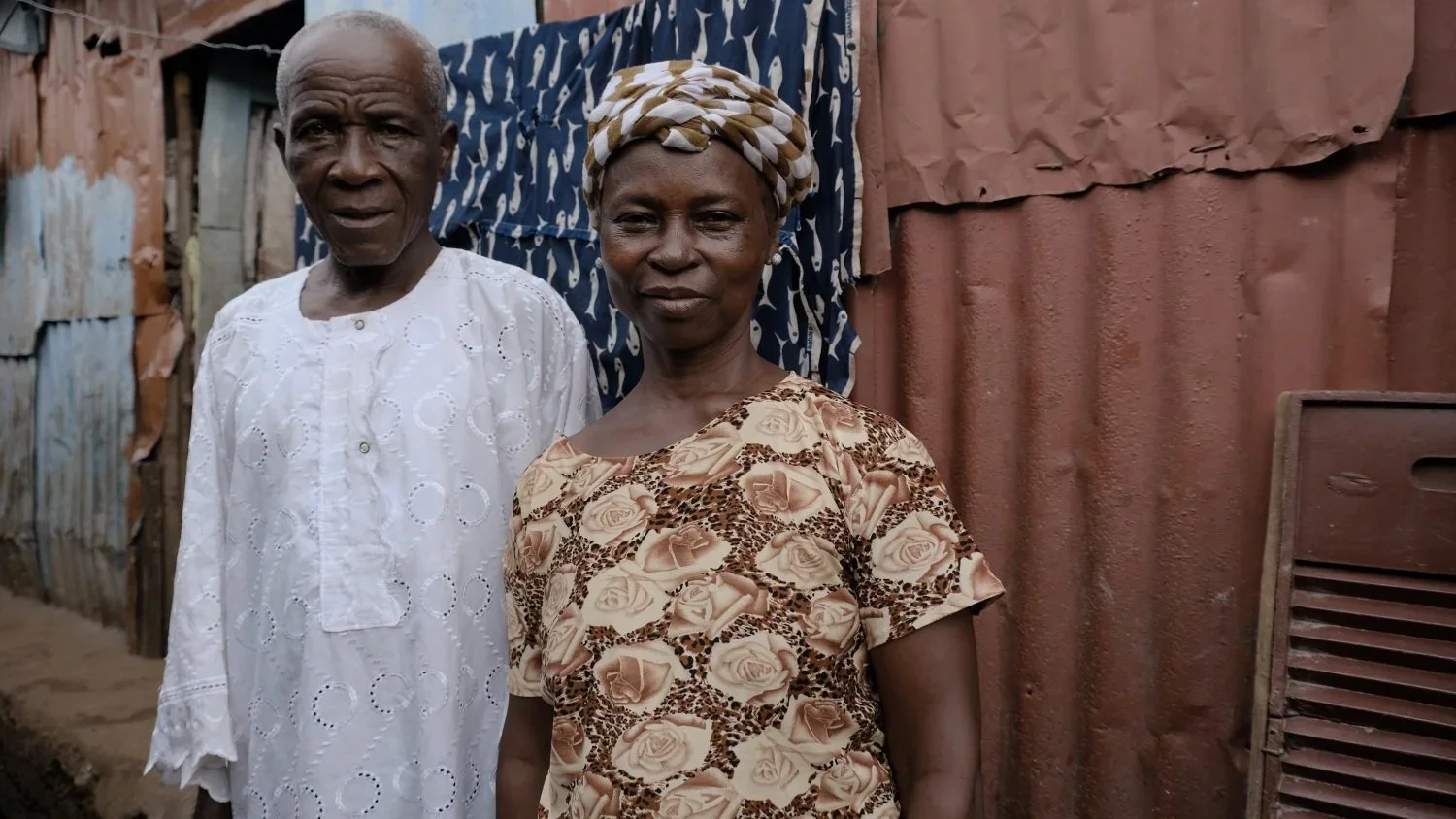
Mahawa and Pa Morlai Kamara. Wife and husband Mahawa and Pa Morlai stand outside their home in the community in Kroo Bay. They have five children and started a business selling African meat soup to support the family. They struggle to make enough income to cover the children's school fees but hope to expand their business by selling other foods.
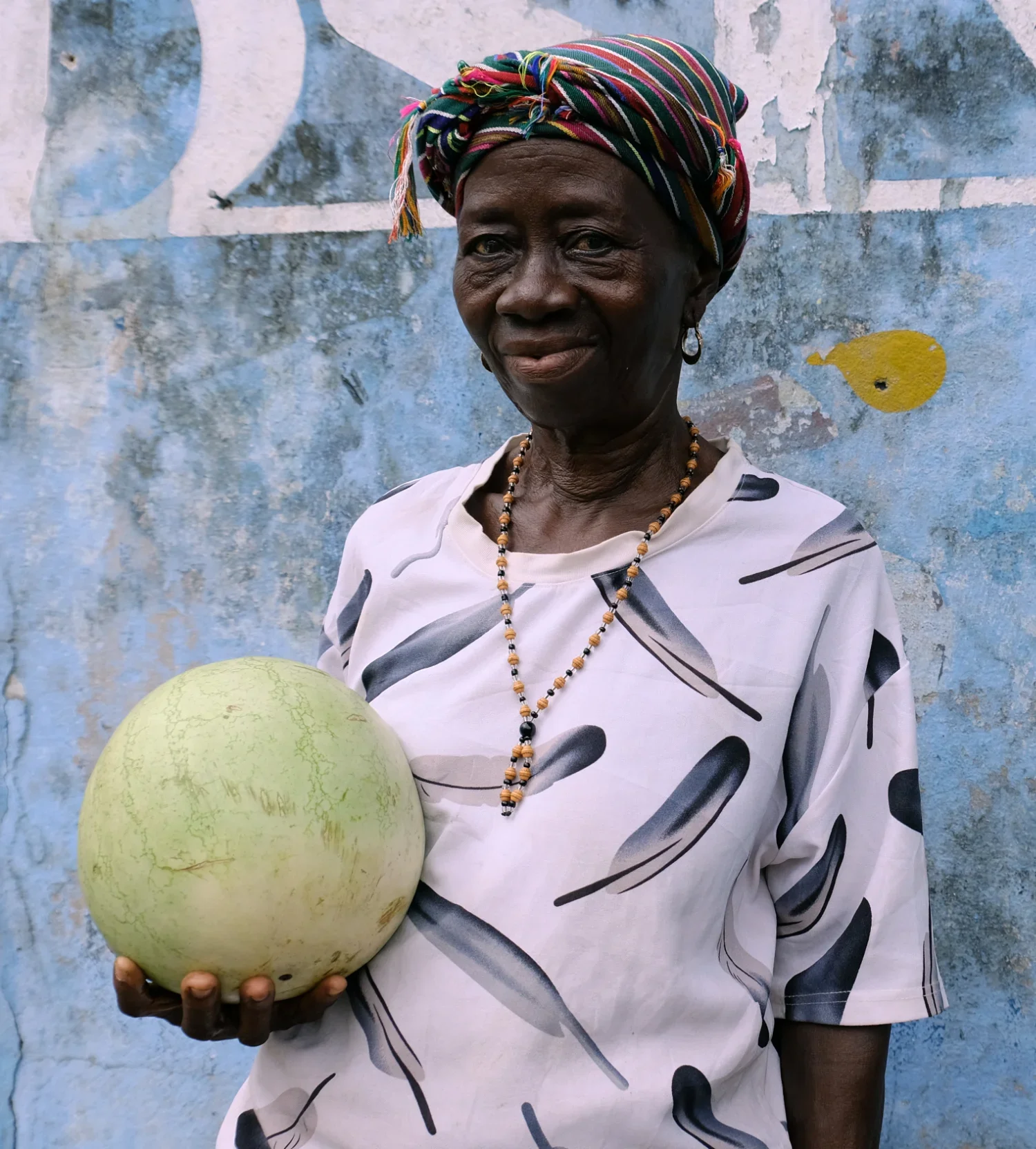
Memuna Kamara isn't sure how old she is but estimates she's in her early 50's. She sells watermelons in downtown Freetown to earn money to support her four children. As a single parent, it's difficult for her to stay on top of the school fees for her children's education, but she feels proud that she can be completely independent.